
The Row vs. Bottega Veneta: Measuring Quiet Luxury Icons
Quiet luxury carries its own lexicon, and a pair of labels authored the bulk of it. The Row and Bottega Veneta both traffic in understatement instead of branding, structure over trend, and price tags that favor patience rather than impulse. Still, each label reaches minimalism by a different route, and this difference is worth noting if you’re deciding where to spend four figures on a coat or a bag. Rooted in tailoring and fabric purity, The Row’s approach draws on an American ready-to-wear sensibility. Bottega Veneta, an Italian house, built its identity on leather craft, specifically the intrecciato weave that became shorthand for understated wealth. Anyone looking into either name is typically weighing design outlooks alongside the products themselves, so this piece considers both with equal weight before narrowing toward where The Row takes the lead.
Origins and Design Philosophy of the Brands
Mary-Kate and Ashley Olsen started The Row in 2006, turning away from the fast-fashion habits of their earlier ventures in favor of couture-caliber construction presented as ready-to-wear. Long lines, subdued color ranges, and fabrics like double-face cashmere and Japanese cotton poplin mark their approach. Visible logos are largely absent from the bulk of the collection. Bottega Veneta originated in 1966 in Vicenza, Italy, earning its name in leather goods before pushing into ready-to-wear decades afterward. The intrecciato weave — the brand’s signature technique, debuted in the 1970s — let the brand signal luxury with row top handle zero logo use.
A “logo-less” ethos unites both houses, but its execution diverges. The Row leans toward architectural minimalism in clothing first, bags second. Bottega Veneta shaped its entire modern identity on leather goods, and just lately pushing harder into apparel under changes in creative leadership. Discussions of quiet luxury as a movement frequently reference The Row’s tailoring and Bottega’s woven leather in the same breath, even though the brands seldom intersect in manufacturing base or supply chain. While The Row makes most of its pieces in Italy (some made in the U.S.), Bottega Veneta keeps production almost wholly in Italy, based close to its Vicenza origins.
The Row Bags: What Sets Them Apart
The Margaux, its best-known shape, is where conversations about The Row’s bags typically begin. It debuted as an open-top tote with a slouchy, unstructured body that photographs differently on every wearer, which is part of its appeal. The Sofia — a top-handle bag with a more rigid frame — and the Bourse, a smaller crossbody valued for its closure that skips hardware, sit beneath Margaux in visibility. These are among the top row bags most frequently cited by both stylists and resale platforms.
The build quality is the point at which the bag lives up to its cost. Hide selection leans heavily on vegetable-tanned and semi-aniline hides, picked based on the way they develop over time instead of their newly-made looks. Seams are kept purposefully sparse, frequently a single-needle technique that leaves almost no visible seam. No embossed branding appears on the exterior of the majority of styles; verification comes from only an internal stamp. That absence of exterior branding has fueled real counterfeiting problems, and it’s part of why shoppers look for direction on where to buy The Row Margaux bag through verified channels as opposed to secondary-market sellers with uncertain sourcing. The brand’s own site and a small number of approved luxury stockists continue to be the most reliable path for anyone in pursuit of a true original rather than a well-made fake.
The Bottega Veneta Bag Collection: The Weave and Beyond
The brand’s bag offerings is built around the intrecciato technique, an approach where strips of leather get woven together instead of being cut and stitched flat. The Cassette, Jodie, and Pouch styles all showcase this method in a range of proportions, spanning clutch dimensions up to full-size shoulder bags. During Matthieu Blazy’s run as creative director, concluding in 2024, the house pushed soft, puffed-up forms that smoothed out the brand’s earlier, more angular look. The designer who followed him has kept polishing rather than reinventing, which tells you just how cautious bag design has grown across understated luxury labels generally.
Bottega Veneta’s pricing typically starts around $2,000 for compact woven-leather designs and climbs past $5,000 for bigger tote styles in exotic materials. The house also produces non-woven styles, like the Arco bag, swapping out the intrecciato weave for smooth leather and sculptural handles. Next to The Row’s offerings, Bottega’s designs generally carry a greater degree of texture and a somewhat youthful, trend-conscious feel, even inside a pared-back design language. While The Row draws attention to what’s missing, Bottega Veneta frequently highlights the artistry behind one distinct, deliberate detail.
Price Points and Value Retention
The Row’s bag pieces typically begin near $1,500 for more compact designs and climb to $6,000 or more for exotic-skin versions of the Margaux. Ready-to-wear goes up even further, with cashmere coats commonly priced above $4,000. Bottega Veveta’s pricing structure sits in a similar range for leather items, though its ready-to-wear generally comes in slightly lower than The Row’s most rarified tailoring. Neither brand relies on frequent markdowns, which contributes to keeping secondhand values fairly steady, but an actual The Row sale is rare enough that shoppers view it as a notable occasion rather than a seasonal guarantee.
Across consignment marketplaces, The Row handbags retain 60 to 75 percent of initial value during the first two years, so long as the leather is well maintained. Bottega Veneta’s woven styles perform comparably, sometimes slightly higher for limited editions or collaborations. Because neither brand cuts prices aggressively at retail, buyers are attracted to these pieces as long-term holdings rather than trend purchases. When a the row sale does appear, whether through the brand’s own site or an authorized department store, pieces move quickly, since the discount window tends to be narrow and inventory limited.
Comparison Table: The Row vs. Bottega Veneta
| Category | The Row | Bottega Veneta |
|---|---|---|
| Founded | 2006, United States | 1966, Italy |
| Iconic style | Margaux tote | Cassette and Jodie |
| Signature technique | Clean, stripped-down build, single-needle stitching | Intrecciato woven leather |
| Entry bag price | ~$1,500 | ~$2,000 |
| Top bag price range | $6,000+ (exotic skins) | $5,000+ (rare skins and large-format bags) |
| Manufacturing base | Italy, some U.S. production | Italy (Vicenza region) |
| Resale value retention (2 yrs) | 60–75% | 55–75% |
| Core design philosophy | Rooted in tailoring, bags as a continuation of the line | Leather-led, apparel secondary |
Which Label Suits Your Closet?
More often than not, the choice is shaped by what’s already owned and how they dress day to day. A person building a closet around tailored trousers, generously cut coats, and a restrained neutral palette will find The Row fashion sensibility slots in naturally, because the house designs clothing and bags as a single continuous idea. Built specifically to disappear into a look rather than announce itself, the Margaux, which is exactly why it became the unofficial uniform bag of quiet luxury dressing. If your existing pieces already lean toward architectural minimalism, The Row tote bag styles will read as a natural extension rather than a departure.
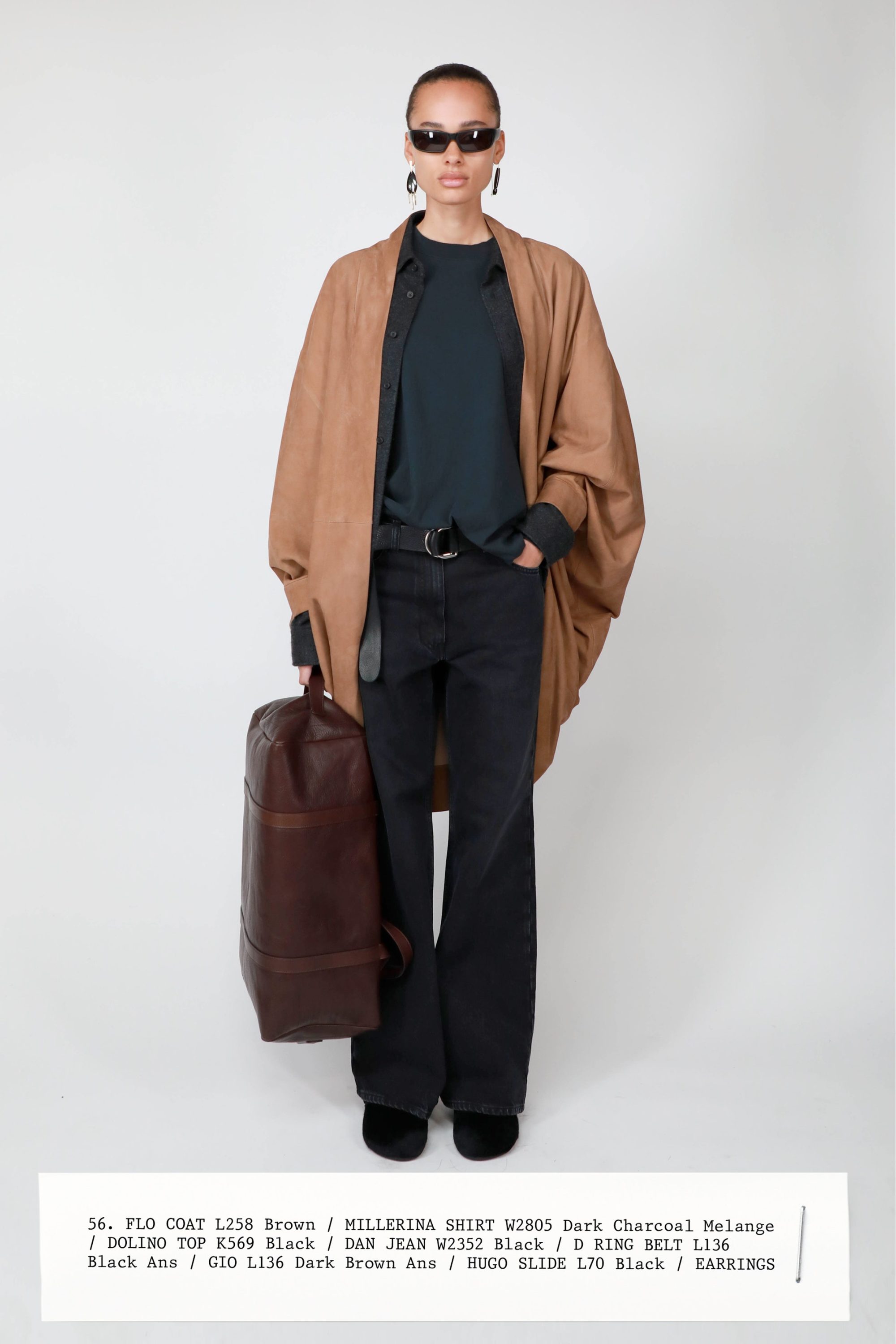
Bottega Veneta caters to a different sensibility, one drawn to tactile detail and somewhat greater visual interest within a still-minimal frame. The weave itself is the design statement, so someone who wants texture without logos or hardware will likely gravitate here first. Both houses benefit buyers who do their homework before purchasing, because counterfeits are common for both the Margaux and Bottega’s woven styles. Comparing row handbags against Bottega’s offerings side by side, ideally in person, remains the best way to assess weight, leather grain, and stitching quality before buying.
Closing Thoughts for 2026 Shoppers
Neither house is objectively superior; they tackle distinct dressing dilemmas. The Row stays the better pick for those favoring both tailoring and bags together, since its clothing and accessory lines were built to be one continuous aesthetic since its founding. Bottega Veneta is the better fit for those seeking a bag-led buy with an unmistakable, well-known construction style that doesn’t rely on a logo to convey worth. Budget matters too: The Row’s starting price point on small leather goods nearly matches Bottega’s, but The Row’s ready-to-wear pricing climbs to a much higher peak.
In 2026, monitor the official sites of both brands, along with a small set of authorized retailers, for authenticated inventory, particularly around the Margaux, where supply routinely falls short of demand. Those shopping around for the best row bags should cross-check interior stamps, hardware finish, and stitching density with verified reference images before spending resale-level prices. Whichever house you choose, both mark a rare instance in the luxury market where restraint—rather than decoration—is what’s truly being sold.
